science
28 days of forest play boosted children's immune health
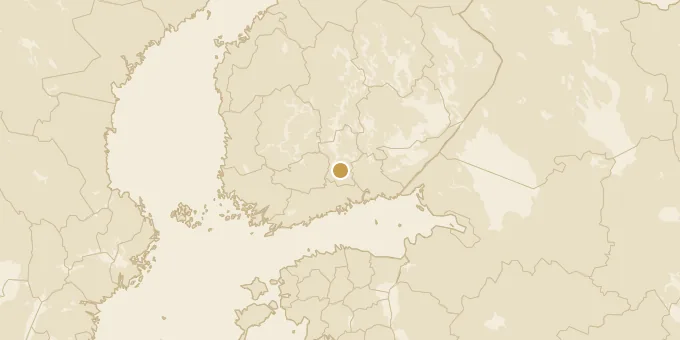
Researchers in Finland dug up segments of forest floor and moved them into urban daycare yards, then ran blood tests on the children playing there. The study, published in Science Advances and coordinated by the Natural Resources Institute Finland, tracked 75 children aged three to five across 10 daycare centers in Lahti and Tampere. Four yards traded concrete and gravel for forest undergrowth, planter boxes, and peat blocks for digging. Within 28 days, the kids in the greened yards showed more diverse skin microbiota and higher levels of regulatory T cells, the ones that keep the immune system from turning on the body. "Immune diseases are expensive," said Marja Roslund, the scientist whose thesis the study was part of. "Even a small reduction in the burden of these diseases is good for national health and the economy." Finland has since put roughly $966,000 toward rewilding 43 daycare centers. The mud, it turns out, was the point.