kindness
A knife-carrier becomes the coach who walks to training in the rain
A young man repeatedly caught carrying knives ends up running around laughing with kids at Saturday football until even the police can't believe it's the same person.
From knife-crime prevention to mental health support, grassroots football is being taken seriously as a tool for social change, and local clubs say the results are already visible
From knife-crime prevention to mental health support, grassroots football is being taken seriously as a tool for social change, and local clubs say the results are already visible
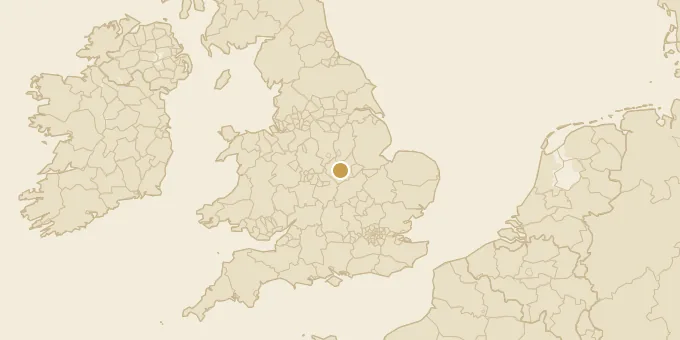
Leicester Nirvana FC’s Ivan Liburd has seen first-hand what grassroots football can do for young people at risk of being drawn into serious crime.
When local authorities asked if he would take on a young person with a history of carrying knives as part of a pilot scheme, Liburd agreed to let him help with Saturday morning training sessions. “He was a habitual knife carrier who had been caught with a knife multiple times,” says Liburd. “But he came to me, worked with me, helped out with the young players. By the end he was walking there in the rain, running around with the kids, laughing – totally dedicated.”
The change was so marked that police could hardly believe it was the same person. “They said: ‘What? He came to training voluntarily?’” Liburd recalled. “I said: ‘Yes.’ Because these young people just react differently when they’re in the community, with someone who’s not perceived as a threat to them.”
For Liburd, that response is rooted in the kind of club Leicester Nirvana has become. Before moving to its current location, the club was based at Highfields in the inner city, where row upon row of Victorian red brick terraced housing left little room for greenery, let alone a grass pitch.
“We grew up in these areas,” he says. “There was no proper organised sport, it was all concrete, 40% of young people were in poverty.”
After scouting a patch of public land four miles away in Hamilton, the club’s management persuaded the local council to let them section off and maintain a full-sized pitch, and build a clubhouse. Now, weekend mornings at this quiet spot on the edge of the city come alive with the sound of kids from as many as 70 countries shouting words of encouragement to each other. Black banners with “NO Racism” are visible to everyone who passes through the entrance, and a spectator stand filled with weather-faded black and red seats is studded with supportive parents.
Research into the Kicks programme found that 93% of participants believed it helped them get into less trouble. Image: Leicester Nirvana
For Liburd, the point is that a club can become more than a place to play. It can become a trusted space, especially for young people who may not respond to more formal authority. “Some of those same kids that misbehave at school will come to football and they’ll be good as gold with their coach,” he says. “Communities like ours can access these young people at their best, we can connect with them and hopefully make them better people.”
Football is increasingly being used by police and club charities as a way to prevent antisocial behaviour, youth violence and crime. Through the Premier League Kicks Police Partnerships Fund, nearly £1m of Premier League funding is being matched by £1.2m from police forces, Police and Crime Commissioners and Violence Reduction Units, creating a pot of more than £2m over two years for 43 football club charities across England and Wales.
Merseyside Police and Crime Commissioner Emily Spurrell says football occupies a rare position in young people’s lives. Partnering with Premier League Kicks and Everton in the Community, Spurrell made the grassroots game a formal part of her crime reduction strategy between 2024 and 2025, in a bid to improve outcomes for hard-to-reach youngsters in the region.