medicine
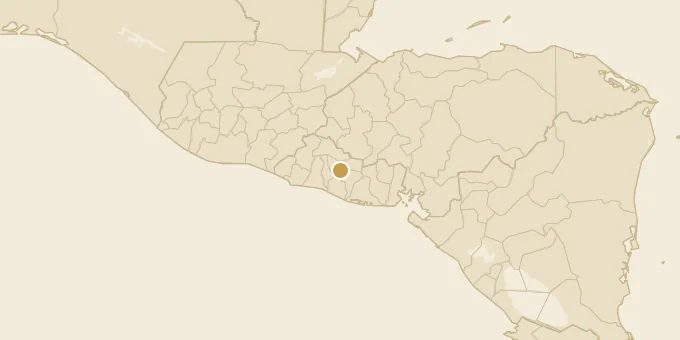
El Salvador eliminates trachoma, leading cause of infectious blindness
A country where a fly-borne infection once threatened sight has been declared free of trachoma as a public health problem, with global cases down 94% since 2002.
Heath wins for El Salvador and Cambodia, a ‘major step forward for ocean protection’, and an elusive new species, plus more good news
Heath wins for El Salvador and Cambodia, a ‘major step forward for ocean protection’, and an elusive new species, plus more good news
In a significant health win for the Central American nation, El Salvador has become the latest country to eliminate trachoma, the world’s leading cause of infectious blindness, as a public health problem. Describing the development as a “remarkable achievement”, the World Health Organization (WHO) said it was a “testament to strong political commitment, strategic investment, and community engagement”. Trachoma is spread via contaminated fingers or flies that have come into contact with the eyes of an infected person, and is often prevalent in poorer regions. Improvements to sanitation, as well as speedier diagnosis and antibiotic rollouts are seen as the best tools to tackle the disease. According to the WHO, there’s been a 94% decrease in the number of people at risk of trachoma globally since 2002. “El Salvador’ s success is a vital step towards our global target of eliminating trachoma worldwide by 2030 and a clear signal that a healthier, more equitable future is within reach,” said the WHO’s director general Dr Tedros Adhanom Ghebreyesus. Image: Daisy OBryan
In a significant health win for the Central American nation, El Salvador has become the latest country to eliminate trachoma, the world’s leading cause of infectious blindness, as a public health problem.
Describing the development as a “remarkable achievement”, the World Health Organization (WHO) said it was a “testament to strong political commitment, strategic investment, and community engagement”.
Trachoma is spread via contaminated fingers or flies that have come into contact with the eyes of an infected person, and is often prevalent in poorer regions. Improvements to sanitation, as well as speedier diagnosis and antibiotic rollouts are seen as the best tools to tackle the disease.
According to the WHO, there’s been a 94% decrease in the number of people at risk of trachoma globally since 2002.
“El Salvador’ s success is a vital step towards our global target of eliminating trachoma worldwide by 2030 and a clear signal that a healthier, more equitable future is within reach,” said the WHO’s director general Dr Tedros Adhanom Ghebreyesus.
Cambodia has become the first country in Asia to achieve a set of global goals aimed at ending the HIV epidemic as a public health threat by 2030. The 95–95–95 targets stipulate that 95% of people living with HIV should know their status, 95% of people with HIV-positive status are receiving antiretroviral treatment, and 95% of people on treatment have achieved viral suppression. Cambodia has done just that, having been one of only seven countries globally to achieve the previous 90-90-90 targets in 2017, three years ahead of the deadline. According to the United Nations, community-led services have been key to Cambodia’s success. Peer-led counselling, testing and prevention services have reached people most affected by HIV, it said, strengthening trust in services. “This remarkable achievement is a historic milestone for Cambodia’s HIV response,” said the country’s minister for health Prof Chheang Ra. “Our mission remains to reach the last miles and to sustain the gain.” Image: Dennis G. Jarvis
Cambodia has become the first country in Asia to achieve a set of global goals aimed at ending the HIV epidemic as a public health threat by 2030.
The 95–95–95 targets stipulate that 95% of people living with HIV should know their status, 95% of people with HIV-positive status are receiving antiretroviral treatment, and 95% of people on treatment have achieved viral suppression.
Cambodia has done just that, having been one of only seven countries globally to achieve the previous 90-90-90 targets in 2017, three years ahead of the deadline.