medicine
England on the cusp of eliminating hepatitis C
100,000 people received lifesaving treatment in a decade, putting England on course to be one of the first nations to wipe out a virus that hit its most marginalised hardest.
A ‘pivotal moment’ for cancer treatment, resurgent whales, and the city that made public transport free, plus more good news
A ‘pivotal moment’ for cancer treatment, resurgent whales, and the city that made public transport free, plus more good news
In what could be a major turning point for cancer treatment, a personalised vaccine has been credited with stopping skin cancer from returning in patients during a trial. The vaccine was given to people with high-risk melanoma after surgery, and in conjunction with an immunotherapy drug already used in cancer treatment. The experimental jab was developed by Merck & Co and Moderna, which on Wednesday announced the preliminary results of their phase three trial involving 1,000 participants. The firms claimed that the jab extended the time that patients were cancer free, without revealing how long for. Personalised cancer vaccines are seen by many as the holy grail of cancer treatment. Scientists behind the new jab sequenced the DNA of patients’ tumours then used mRNA technology to target the cancer cells. Moderna CEO Stéphane Bancel described the findings as “a pivotal moment” for cancer research. While the full results are yet to be released or peer-reviewed, many experts cautiously welcomed them. Dr Lennard Lee, associate professor at the University of Oxford, England, said the findings were a “landmark moment for cancer vaccines”. Prof Peter Johnson, national clinical director for cancer at NHS England, told the BBC: “It feels like it’s a very important advance.” Image: Christophe Meyer
In what could be a major turning point for cancer treatment, a personalised vaccine has been credited with stopping skin cancer from returning in patients during a trial.
The vaccine was given to people with high-risk melanoma after surgery, and in conjunction with an immunotherapy drug already used in cancer treatment.
The experimental jab was developed by Merck & Co and Moderna, which on Wednesday announced the preliminary results of their phase three trial involving 1,000 participants. The firms claimed that the jab extended the time that patients were cancer free, without revealing how long for.
Personalised cancer vaccines are seen by many as the holy grail of cancer treatment. Scientists behind the new jab sequenced the DNA of patients’ tumours then used mRNA technology to target the cancer cells. Moderna CEO Stéphane Bancel described the findings as “a pivotal moment” for cancer research. While the full results are yet to be released or peer-reviewed, many experts cautiously welcomed them.
Dr Lennard Lee, associate professor at the University of Oxford, England, said the findings were a “landmark moment for cancer vaccines”. Prof Peter Johnson, national clinical director for cancer at NHS England, told the BBC: “It feels like it’s a very important advance.”
New figures suggest that England is on course to become one of the first nations to eliminate hepatitis C. The global target of treating 80% of all known hepatitis C cases by 2030 – set by the World Health Organization – has already been met in England, the National Health Service (NHS) said this week. Its data shows that 100,000 people received potentially lifesaving treatment for the disease in the last decade. Rachel Halford, CEO of The Hepatitis C Trust, said that England was “on the cusp of one of the most significant public health achievements in its history”. Hepatitis C is a virus that can cause life-threatening liver damage. Spread through contact with infected blood, often via shared needles, it typically has no noticeable symptoms until the liver has been significantly degraded. “Hepatitis C disproportionately affects some of the most marginalised and underserved communities in England – people who have too often faced stigma, exclusion and barriers to healthcare,” said Halford. “[England’s treatment] programme has been instrumental in overcoming those barriers.” Wales, Scotland and Northern Ireland are also on course to eliminate the disease by 2030, the trust said. Image: Parilov
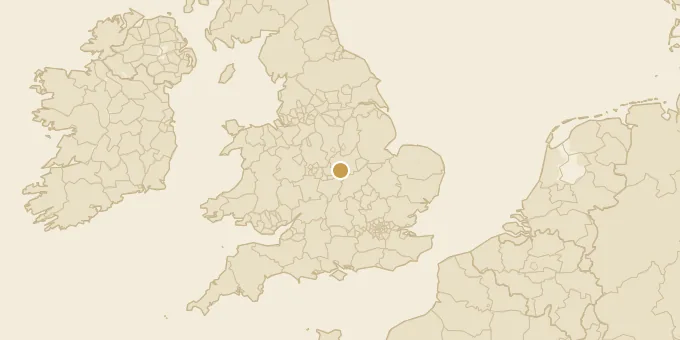
New figures suggest that England is on course to become one of the first nations to eliminate hepatitis C.
The global target of treating 80% of all known hepatitis C cases by 2030 – set by the World Health Organization – has already been met in England, the National Health Service (NHS) said this week.
Its data shows that 100,000 people received potentially lifesaving treatment for the disease in the last decade. Rachel Halford, CEO of The Hepatitis C Trust, said that England was “on the cusp of one of the most significant public health achievements in its history”.