nature
Fabulous Vietnam Pheasant Not Seen in 20 Years Returns to Wild Thanks to Zoo Coalition
A bird likely extinct in the wild for 20 years is heading home — 20 carefully chosen pheasants flown from Berlin to Vietnam to seed a new wild generation.
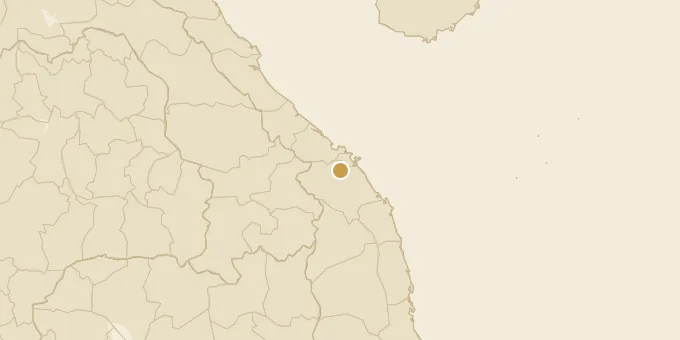
For over 20 years, the forests of central Vietnam have been missing one of their most remarkable inhabitants.
Now, an international alliance of conservation organizations, zoological institutions, and Vietnamese partners has come together with a shared goal: to return the Vietnam pheasant to the forests where it once lived.
The project represents one of the few global efforts to reintroduce a species that is likely extinct in the wild, making it both an ambitious and deeply symbolic undertaking.
The Vietnam pheasant, once native to the dense, humid forests of the region, has not been reliably recorded in the wild for decades. Among its most striking characteristics is the male’s deep dark blue plumage with a subtle metallic sheen, which, together with its vivid red facial skin, gives the species a particularly elegant appearance.
Its decline is the result of multiple pressures over time, including extensive habitat loss, agricultural expansion, illegal hunting, and the lasting ecological impacts of the Vietnam War, during which large areas of forest in its distribution range were severely degraded.
In the early 20th century, a small number of birds were brought from Vietnam to Europe. This tiny founder population became the basis of a carefully managed conservation effort across zoological institutions and private breeders. Over decades, through coordinated breeding program and international collaboration, the population grew and was maintained as a genetically viable assurance population.
Now, for the first time, that population is being used to support a return to the wild. In mid-May, a group of pheasants selected from European breeding programs will be transported from Berlin to Vietnam. Each individual has been carefully chosen based on genetic diversity, health, and behavioral characteristics, ensuring that the foundation of the future population is as strong as possible.
The selected 20 pheasants will be transported from Germany to Vietnam by cargo aircraft in specially designed transport crates that ensure safety, ventilation, and minimal stress throughout the journey. The transfer will be accompanied by experienced experts, who will monitor the birds continuously and ensure their well-being at every stage of the transport process.
Following their arrival, the birds will undergo a period of acclimatization and observation under professional care. The immediate goal is not release, but stability: to allow the pheasants to adjust to local climatic conditions, to form breeding pairs, and to establish new, locally born, parent-reared generations. Only once this foundation is secure will further steps towards release be considered.
This approach reflects the complexity of the challenge. Reintroducing a species that may no longer exist in the wild requires more than simply returning animals to their former habitat. It requires functioning ecosystems, long-term protection, and the support of local communities.
In central Vietnam, these conditions are being developed in parallel. Within the historical range of the species, protected forest areas are being prepared as potential future release sites. Conservation teams are working on the ground to safeguard these habitats, monitor biodiversity, and reduce ongoing threats such as illegal hunting.
MORE STORIES LIKE THIS: Brazil’s Blue-and-Yellow Macaws Return to Rio After 200 Years: ‘A dream come true’