nature
French Polynesia protects an ocean the size of France
200,000 sq miles of biologically rich ocean gets the highest protection while local artisanal fishing is preserved — one of the biggest marine wins ever.
A ‘global turning point for mangrove forests’, a new France-sized marine reserve, and how EVs are saving lives, plus more good news
A ‘global turning point for mangrove forests’, a new France-sized marine reserve, and how EVs are saving lives, plus more good news
The world’s mangrove forests have staged a remarkable global recovery, with scientists hailing the news as “an important source of optimism for climate action”. Mangrove forests protect millions of people from storms, absorb vast amounts of CO2 and are vital nurseries for fish. However, despite their services to humanity, they have vanished at an alarming rate since the 1980s. Until recently. A new study suggests that gains have been outpacing losses over the last 16 years, resulting in only a 1% net decline in total area covered during the last 40 years. “After decades of loss, we’re finally seeing a global turning point for mangroves,” said study lead Zhen Zhang from Tulane University, Louisiana, US. “This highlights their strong resilience and their potential as a powerful nature-based solution for climate mitigation and coastal protection.” The research also found that existing mangrove forests are becoming denser and healthier, reflecting the impact of conservation policies and restoration programmes. However, threats to the ecosystems remain in some regions. Dr Daniel Friess, professor of environmental sciences at Tulane, said that overall the findings were a “rare conservation success story” and an “important source of optimism for climate action”. Image: iStock
The world’s mangrove forests have staged a remarkable global recovery, with scientists hailing the news as “an important source of optimism for climate action”.
Mangrove forests protect millions of people from storms, absorb vast amounts of CO2 and are vital nurseries for fish. However, despite their services to humanity, they have vanished at an alarming rate since the 1980s. Until recently.
A new study suggests that gains have been outpacing losses over the last 16 years, resulting in only a 1% net decline in total area covered during the last 40 years.
“After decades of loss, we’re finally seeing a global turning point for mangroves,” said study lead Zhen Zhang from Tulane University, Louisiana, US. “This highlights their strong resilience and their potential as a powerful nature-based solution for climate mitigation and coastal protection.”
The research also found that existing mangrove forests are becoming denser and healthier, reflecting the impact of conservation policies and restoration programmes. However, threats to the ecosystems remain in some regions.
Dr Daniel Friess, professor of environmental sciences at Tulane, said that overall the findings were a “rare conservation success story” and an “important source of optimism for climate action”.
French Polynesia has made one of the single biggest contributions to ocean protection ever after its government announced a new marine reserve the size of France. Some 200,000 sq miles of ocean surrounding the Austral and Marquesas Islands – two of the most biologically rich archipelagos on Earth – will receive the highest level of protection, with mining, trawling and industrial fishing prohibited, it was announced on Tuesday. Artisanal fishing, central to local food security and culture, will be preserved. The archipelagos host species that are found nowhere else on Earth, including the Marquesan domino damselfish. They are also critical habitats for endangered sharks, whales, dolphins and sea turtles (pictured). “This cements French Polynesia’s place as the global leader in marine conservation,” said Maël Imirizaldu of the Blue Nature Alliance, a global coalition to accelerate marine conservation. “Their determination to preserve the ocean demonstrates that it is not simply a commodity, it’s the matrix that sustains all of us.” Image: David Courbit
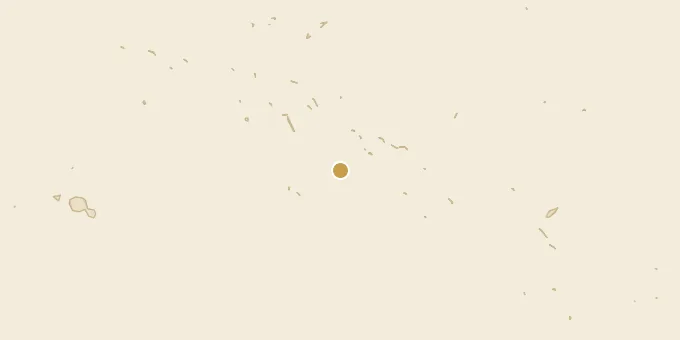
French Polynesia has made one of the single biggest contributions to ocean protection ever after its government announced a new marine reserve the size of France.
Some 200,000 sq miles of ocean surrounding the Austral and Marquesas Islands – two of the most biologically rich archipelagos on Earth – will receive the highest level of protection, with mining, trawling and industrial fishing prohibited, it was announced on Tuesday. Artisanal fishing, central to local food security and culture, will be preserved.