nature
Giant tortoises return to Galapagos island of Floreana after 200 years
158 giant tortoises were reintroduced to Floreana for the first time in almost two centuries, after a lineage once presumed extinct was rebuilt through selective breeding.
A lost giant returned to Galapagos, Wales passed a ‘life-changing’ homelessness bill, and a Chinese river came back from the brink, plus more good news
A lost giant returned to Galapagos, Wales passed a ‘life-changing’ homelessness bill, and a Chinese river came back from the brink, plus more good news
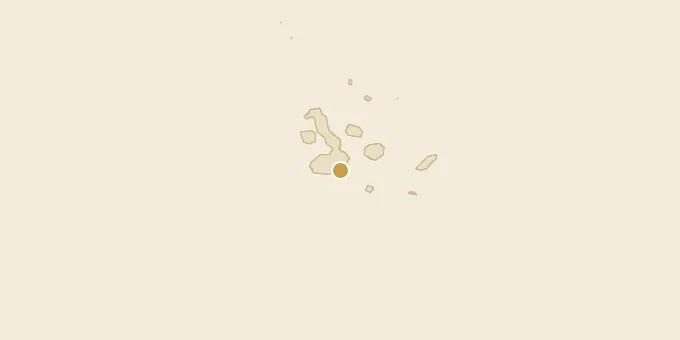
For the first time in almost 200 years, giant tortoises are roaming the Galapagos island of Floreana again, thanks to one of the most ambitious ecosystem recovery initiatives undertaken on the archipelago. Intensive exploitation by whalers and other seafarers, as well as the introduction of invasive species, wiped out the Floreana giant tortoise in the mid-1800s. For more than a century, the lineage was presumed lost forever. That was until 2000, when ecologists identified a hybrid tortoise with Floreana ancestry on neighbouring Isabela island. The discovery prompted a long-term selective breeding programme to maximise Floreana ancestry in the offspring. This week, that programme reached a milestone as 158 giant tortoises were reintroduced to Floreana, which has been cleared of invasive goats and rats. The tortoise’s reintroduction will be mutually beneficial for the species and the island. “Giant tortoises are a critical part of this [ecosystem],” said Rakan Zahawi, executive director of the Charles Darwin Foundation, which supported the release. “By dispersing seeds, shaping vegetation, creating microhabitats … and influencing how landscapes regenerate, they help rebuild ecological processes that many other species depend on.” Image: Galapagos Conservancy
For the first time in almost 200 years, giant tortoises are roaming the Galapagos island of Floreana again, thanks to one of the most ambitious ecosystem recovery initiatives undertaken on the archipelago.
Intensive exploitation by whalers and other seafarers, as well as the introduction of invasive species, wiped out the Floreana giant tortoise in the mid-1800s. For more than a century, the lineage was presumed lost forever.
That was until 2000, when ecologists identified a hybrid tortoise with Floreana ancestry on neighbouring Isabela island. The discovery prompted a long-term selective breeding programme to maximise Floreana ancestry in the offspring.
This week, that programme reached a milestone as 158 giant tortoises were reintroduced to Floreana, which has been cleared of invasive goats and rats. The tortoise’s reintroduction will be mutually beneficial for the species and the island.
“Giant tortoises are a critical part of this [ecosystem],” said Rakan Zahawi, executive director of the Charles Darwin Foundation, which supported the release. “By dispersing seeds, shaping vegetation, creating microhabitats … and influencing how landscapes regenerate, they help rebuild ecological processes that many other species depend on.”
Homelessness charities have hailed a potentially “life-changing” new bill that will provide support sooner to those at risk of losing their homes. The Homelessness and Social Housing Allocation Bill is set to become law after clearing the Welsh Parliament last week. It will provide early intervention for people at risk of homelessness, while obliging public bodies to deepen cooperation to prevent people from losing their homes. The law comes at a critical time with Wales experiencing exceptionally high levels of homelessness. Last year, councils across the country recorded nearly 13,300 households as homeless. “This is truly a landmark day in Wales,” said Matt Downie, chief executive of the homelessness charity Crisis. “The new bill has the potential to be life-changing for the thousands of people across Wales that are facing the trauma that comes from living without a stable place to call home.” Image: K. Mitch Hodge
Homelessness charities have hailed a potentially “life-changing” new bill that will provide support sooner to those at risk of losing their homes.
The Homelessness and Social Housing Allocation Bill is set to become law after clearing the Welsh Parliament last week. It will provide early intervention for people at risk of homelessness, while obliging public bodies to deepen cooperation to prevent people from losing their homes.
The law comes at a critical time with Wales experiencing exceptionally high levels of homelessness. Last year, councils across the country recorded nearly 13,300 households as homeless.