nature
A venomous primate thought extinct was in people's gardens all along
Scientists called it possibly extinct. Local rescuers had been healing it for years.
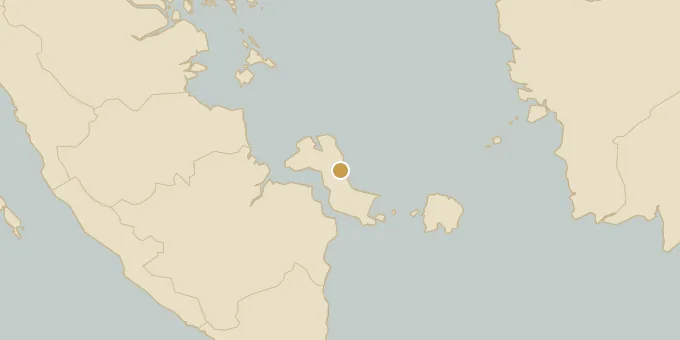
A venomous primate last documented by scientists in the 1930s has been turning up across an Indonesian island, according to a study published in October in the journal Spixiana. The Bangka slow loris was classified as critically endangered and possibly extinct in 2015. The new research shows it was simply "overlooked by science for nearly a century," said co-author Timon Glaw, a conservation biologist. The finding rests on records kept by the Alobi Wildlife Rescue Center on Bangka, which rescued more than 90 of the nocturnal creatures between 2015 and 2025 and released 86. Some were found inside residents' homes and gardens. The loris defends itself by licking glands on its arms, mixing the secretion with saliva to deliver a venomous bite. It had never really left. It was living in people's gardens the whole time, waiting for someone to write it down.
Originally reported by Smithsonian Magazine · Pangkalpinang, Indonesia · ran in the honeyletter of 3 November 2026
Read the letter it ran in → See it on the honeymap →