motivational
The Ward brothers built a chilli-sauce business from a market stall
Two brothers from Rotherham turned childhood dinner dares into an award-winning hot sauce, learning from customers who won't back down from a chilli.
As job vacancies vanish, young entrepreneurs are pitching up at markets, discovering new opportunities in an old trade
As job vacancies vanish, young entrepreneurs are pitching up at markets, discovering new opportunities in an old trade
From behind his market stall Alex Ward watches children dare each other to try spoonfuls of Charva Lava, a pineapple and mango hot sauce with a sting in its tail. Some swagger forward, while others bottle it.
“That’s the great thing about market stalls: you meet your customers, you immediately see how they react to your products. You also see the geezers who run a mile as they don’t want to look like wimps ’cause they can’t handle their chilli,” he laughs.
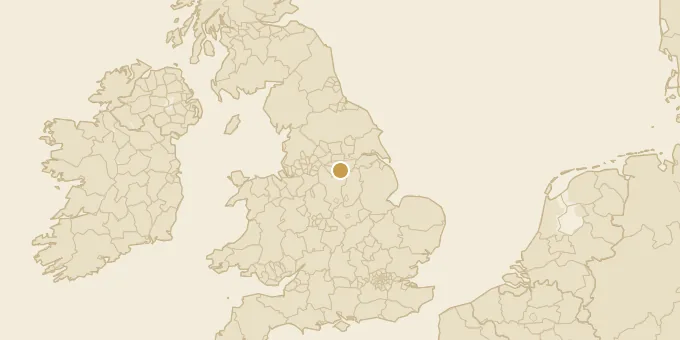
Ward, aged 27, runs Chilli Charva with his older brother Tom, 32, trading across the north of England from their Rotherham base. The brand evolved from their childhood Sunday dinners, when the brothers used to douse them in Tabasco and dare each other, as Alex puts it, to “go big” with competitive chilli consumption.
‘Charva’ is northeastern slang for a flashy, working-class lad, and today they lean into their brand, manning their stall in black leisurewear, bucket hats and chain necklaces.
They are among an estimated 30,000 market traders operating in the UK, and are the new generation of young traders who are picking the market stall over a university place or an apprenticeship.
According to the Office for National Statistics, 957,000 young people aged 16 to 24 were not in employment, education or training (NEET) in the last three months of 2025. That is one in eight young people and a 26% rise from pre-pandemic levels. A further 110,000 graduates under 30 are out of work. Youth unemployment stands at 16%, compared with 3.6% for adults overall, with hotspots in the West Midlands at 20%, East Yorkshire at 18%, Northumberland at 17% and outer London at 19%.
The reasons are layered: fewer entry-level vacancies amid economic uncertainty and AI adoption; higher employer National Insurance contributions and minimum wage costs; and a mismatch between employer demand and graduate supply. The long-term damage for people not in employment can be severe. Research suggests that a six to 12-month spell of unemployment between 18 and 24 can cut lifetime earnings by 10%. Young people who are NEET are two to three times more likely to report poor mental health than peers in work or education.
Policy ideas range from paid military-style gap years to wage subsidies and expanded digital skills training. A less obvious intervention has come from a partnership between the Department for Work and Pensions and the National Market Traders Federation (NMTF) , the trade body founded in 1899. For the past decade the NMTF has run its Young Traders Market scheme, offering free market space to 16 to 30-year-olds and culminating in an annual Young Market Trader of the Year competition in Warwickshire. In 2025, Chilli Charva won the grocery category.
“The business has taken off because of the market stalls,” Alex says. “We get immediate feedback on recipes from customers and when we run the stall somewhere [affluent] like Leeds we get online subscriptions the next day.”
The business has taken off because of the market stalls