progress
A bacteria-carrying mosquito cut children's dengue cases 68%
The outbreak was the worst on record. It held up anyway.
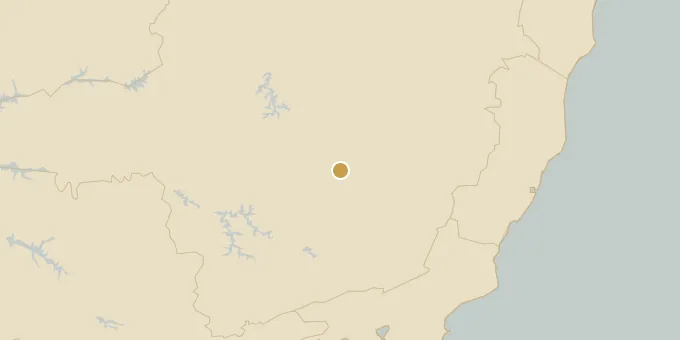
Schoolchildren in Belo Horizonte, Brazil, saw their risk of mosquito-borne viral infection fall 68% during a four-year trial that released mosquitoes carrying Wolbachia bacteria, which blocks insects from spreading dengue, Zika, and chikungunya. The method works quietly across generations. Infected mosquitoes pass the bacteria to their offspring, so the protection compounds without anyone spraying a thing. Researchers called it the EVITA dengue trial and ran it across 58 school-defined clusters, releasing mosquitoes from January 2021 through May 2022 and tracking 5,757 children aged 6 to 11. The timing was not kind. The study overlapped with the largest dengue outbreak ever recorded in Brazil. It held up anyway. Dengue cases dropped 68.5% and chikungunya 73.3%. "The intervention substantially reduced dengue infections during Brazil's largest recorded outbreak," said Derek Cummings of Johns Hopkins University, a co-principal investigator. A near-identical trial in Singapore reported almost the same reduction. The findings were presented Saturday in National Harbor, Maryland.
Originally reported by Good News Network · Belo Horizonte, Brazil · ran in the honeyletter of 25 November 2026
Read the letter it ran in → See it on the honeymap →