progress
86 million girls vaccinated against the cause of cervical cancer
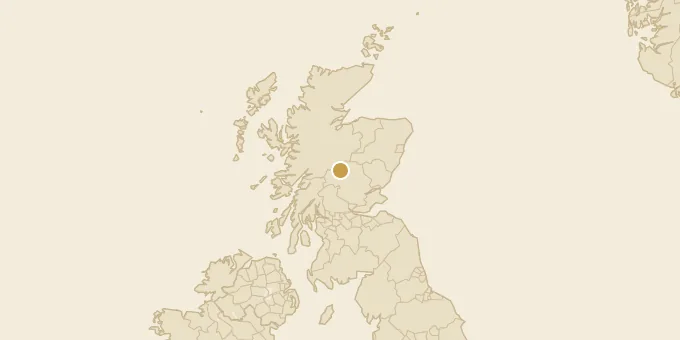
Since 2023, HPV vaccines have reached 86 million girls, expected to spare 1.4 million women from dying of cervical cancer — and Scotland has recorded zero cases in vaccinated young women.
World ‘closer to a future free of cervical cancer’, UK music fans got a boost, and Denmark gave the thumbs down to social media for kids, plus more
World ‘closer to a future free of cervical cancer’, UK music fans got a boost, and Denmark gave the thumbs down to social media for kids, plus more
More than 86 million girls in the most at-risk nations have received a vaccine against human papillomavirus (HPV) – the leading cause of cervical cancer – since 2023. That’s according to data published to coincide with the first World Cervical Cancer Elimination Day on Monday. Marking the commemorative date, the World Health Organization (WHO) said there was “powerful momentum” globally to end the preventable disease, which kills around 350,000 women globally each year. Data from Gavi, the vaccine alliance, revealed that 86 million girls had been vaccinated against HPV since 2023, protecting an estimated 1.4 million women from dying of cervical cancer in future. The WHO name-checked more than a dozen nations that launched HPV vaccination programmes this year, including Cuba, Pakistan and Rwanda. “More and more countries are scaling up HPV vaccination, improving screening, and expanding treatment, bringing us closer to a future free of cervical cancer,” said Adhanom Ghebreyesus, director general of the WHO. Research shows the HPV vaccine to be highly effective. In 2024, a study revealed that no cases of cervical cancer had been detected in young women in Scotland who received it. Image: Rohit Dey
More than 86 million girls in the most at-risk nations have received a vaccine against human papillomavirus (HPV) – the leading cause of cervical cancer – since 2023.
That’s according to data published to coincide with the first World Cervical Cancer Elimination Day on Monday. Marking the commemorative date, the World Health Organization (WHO) said there was “powerful momentum” globally to end the preventable disease, which kills around 350,000 women globally each year.
Data from Gavi, the vaccine alliance, revealed that 86 million girls had been vaccinated against HPV since 2023, protecting an estimated 1.4 million women from dying of cervical cancer in future. The WHO name-checked more than a dozen nations that launched HPV vaccination programmes this year, including Cuba, Pakistan and Rwanda.
“More and more countries are scaling up HPV vaccination, improving screening, and expanding treatment, bringing us closer to a future free of cervical cancer,” said Adhanom Ghebreyesus, director general of the WHO.
Research shows the HPV vaccine to be highly effective. In 2024, a study revealed that no cases of cervical cancer had been detected in young women in Scotland who received it.
World Bank figures show a big rise in the number of women globally with bank accounts, a development that it said pointed to a “remarkable transformation”. According to a new World Bank report , the number of women in low- and middle-income countries who have an account has risen to 73%, compared to 50% a decade ago. Barriers remain. Some 700 million women worldwide still have no bank account. Not having enough money to open one is the main reason given by women, according to the World Bank. High financial services fees are another. Still, the World Bank described the progress as “a hopeful sign”. “The work continues to ensure every woman who wants a financial account has access to one – and can use it to her full advantage,” it added. Image: Derrick Pare
World Bank figures show a big rise in the number of women globally with bank accounts, a development that it said pointed to a “remarkable transformation”.
According to a new World Bank report , the number of women in low- and middle-income countries who have an account has risen to 73%, compared to 50% a decade ago.
Barriers remain. Some 700 million women worldwide still have no bank account. Not having enough money to open one is the main reason given by women, according to the World Bank. High financial services fees are another.