science
A student found a lost Maya city on Google's page 16
Nobody had to dig. The city was already in a file, waiting.
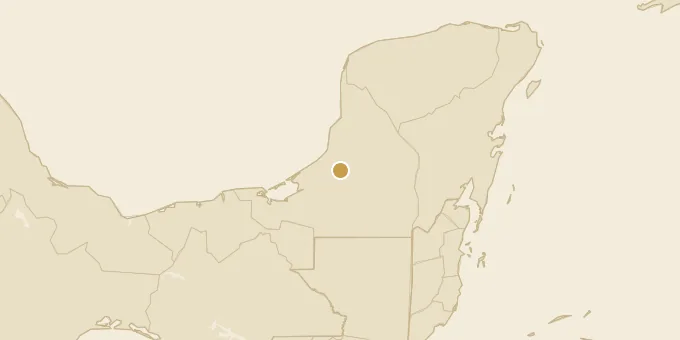
A PhD student at Tulane University found an ancient Maya city by scrolling to page 16 of a Google search. Luke Auld-Thomas was hunting through results in 2024 when he came across a laser survey conducted by a Mexican group for environmental monitoring. "I was on something like page 16 of Google search and found a laser survey done by a Mexican organization for environmental monitoring," he told the BBC. The data used LiDAR, which fires laser pulses to map the ground beneath tree cover. Stripped of forest, it revealed pyramids and thousands of structures in the Mexican state of Campeche. The organization that flew over it had no idea a city was there. Auld-Thomas and a colleague named it Valeriana, after a nearby lagoon. It may have held 30,000 to 50,000 people around 750 to 850 AD, more than live in the region now. No one has visited in person. There are no photographs, only laser points on a screen.