progress
He found a fish that fights disease and feeds families
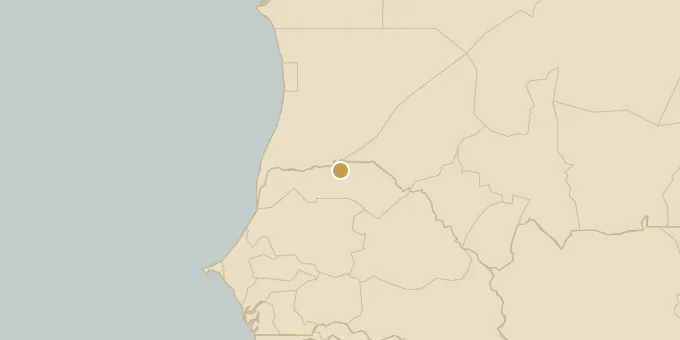
Adding fish to rice paddies cut the population of disease-carrying snails and raised rice yields by more than 25%, according to research published in Nature Sustainability by scientists at the University of Notre Dame. The team introduced African bonytongue and Nile tilapia into fields along the northern Senegal River basin, a hot spot for schistosomiasis, a parasitic disease that affects more than 220 million people worldwide. The worms spread through freshwater snails living in the standing water of rice fields, which puts farming families at particular risk. Both fish species eat snails or crowd them out. The researchers never fed the fish, and the fish thrived anyway. Fields with both species held fewer host snails, and the soil improved, and farmers gained a second income from selling the catch. "Those kinds of win-win-win solutions are rare," said professor Jason Rohr, the study's corresponding author. The next step is scaling the approach across other endemic regions.