science
A dive shop owner built reefs from cinder blocks
Someone sank blocks into empty water. The fish disagreed with empty.
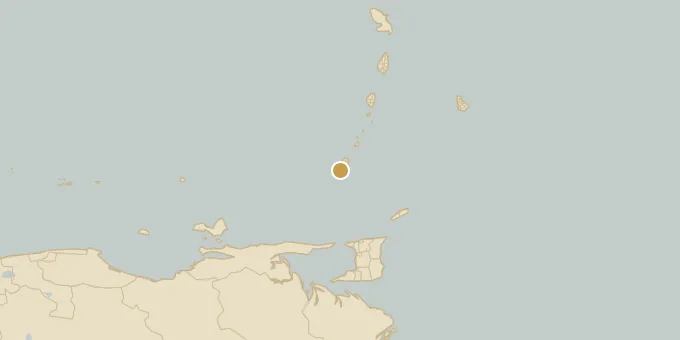
A barren patch of the Caribbean Sea off the coast of Grenada now holds about 100 concrete pyramids, each built from 30 cinder blocks, and the fish have moved in. The effort began in 2013, when Phil Saye, owner of the Dive Grenada dive shop, started lowering stacked blocks into water where sea life had nowhere to hide or feed. Within three months, algae and sponge took hold, followed by feather duster worms and lobster. At around 18 months, stony and brain corals began growing on the blocks. The site, known as the Grenada Artificial Reef Project, is now home to over 30 species of fish and 14 kinds of coral. A peer-reviewed 2024 study found the pyramids resemble natural reefs in many respects. Not every version works. A 1970s Florida plan sank up to two million old tires, which storms later scattered across healthy reefs. The concrete, at least, stays put.