science
His pocket forests grow ten times faster than plantations.
The experts said it would never survive. The trees disagreed.
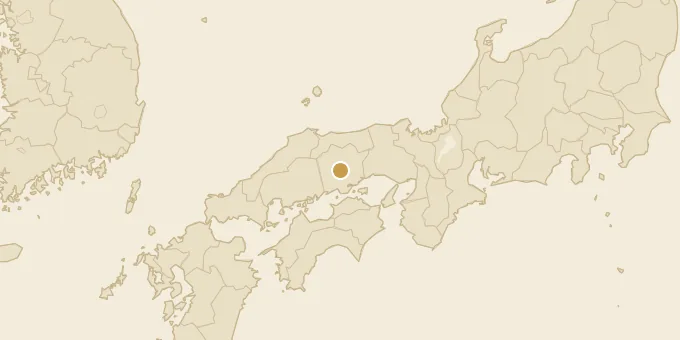
Akira Miyawaki, a Japanese botanist born in Okayama in 1928, spent his career asking a simple question: how would a forest grow if humans had never touched it? He found his answer in an unlikely place. Studying Japan's forests, he noticed that the most resilient ecosystems clustered around ancient Shinto shrines and Buddhist temples, dense and wild, nothing like the tidy rows of a plantation. So he copied them. Rather than spacing out mature trees, Miyawaki packed small native saplings and shrubs tightly together, often three to five plants per square meter. Forced to compete for light, they grew up to ten times faster and formed self-sustaining pocket forests. Experts doubted such crowding could survive without constant care. The forests kept growing anyway, improving soil and drawing in wildlife. Miyawaki died in 2021 at 93. His method is now used to restore damaged land in cities around the world.