nature
130,000 baby octopuses released to eat invasive crabs
The crabs are winning. So Italy hired an eight-armed predator.
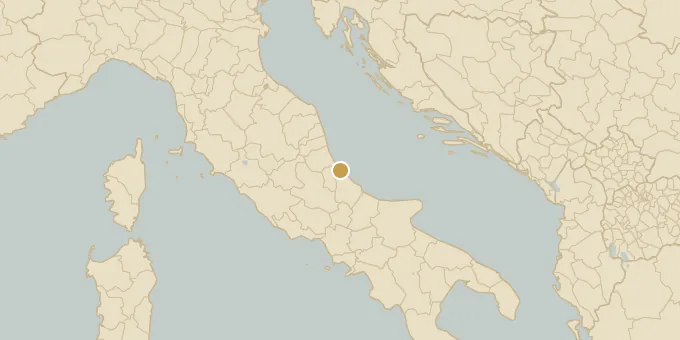
Italian researchers have released at least 130,000 lab-hatched baby octopuses into the Adriatic Sea this summer, hoping the cephalopods will grow up to eat the invasive blue crabs wrecking the region's fisheries. Native to the Americas, blue crabs likely arrived in the Mediterranean via ships' ballast water, and their numbers have surged over the past decade. In 2024, experts estimated the species caused roughly $116 million in damage in Italy, destroying local shellfish and shredding fishing gear with strong claws. The Octo-Blu project, run by the University of Bologna, picked the common octopus for its hardiness and appetite. Marine biologist Laura Gentile said lab octopuses had been seen hunting crabs weighing around a pound. "That's an encouraging sign, biologically." Only about 1 percent of the millimeter-long hatchlings are expected to reach adulthood. Those that do could each eat up to four blue crabs a day. Researchers hope to know if it worked by year's end.