delight
A forgotten sack of seeds became miracle wheat
He nearly threw them out. Then they sprouted.
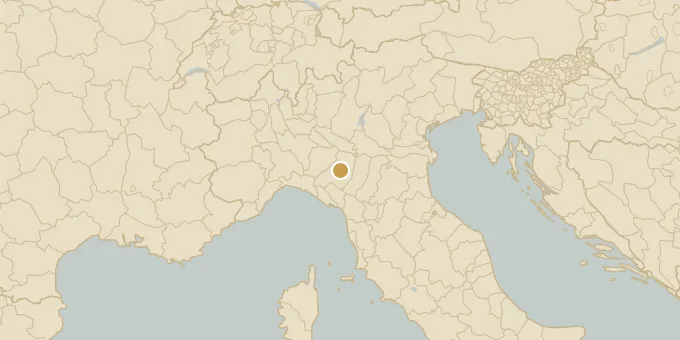
Claudio Grossi was cleaning his attic in Parma sometime in the early 1990s when he found an old sack of seeds he couldn't identify, left by a great-grandfather who started the family farm around 1915. The kernels were dry and cracked. Doubting anything would grow, he dumped them on a manure pile and forgot about them. They sprouted. One wheat grew six feet tall and produced seven ears per stalk, with kernels in yellow, black, red, white and green. "I thought it was a freak of nature," Grossi says. A Bible passage in Genesis, describing seven ears on one stalk, convinced him the grain was ancient. He was right. Researchers at the University of Parma identified it as Triticum turgidum, a poulard wheat once grown in Italy before farmers chased higher yields. It needs no fertilizer, outshades weeds, and survives drought. He named it grano del miracolo. Miracle wheat.